Chia seeds kya hain?
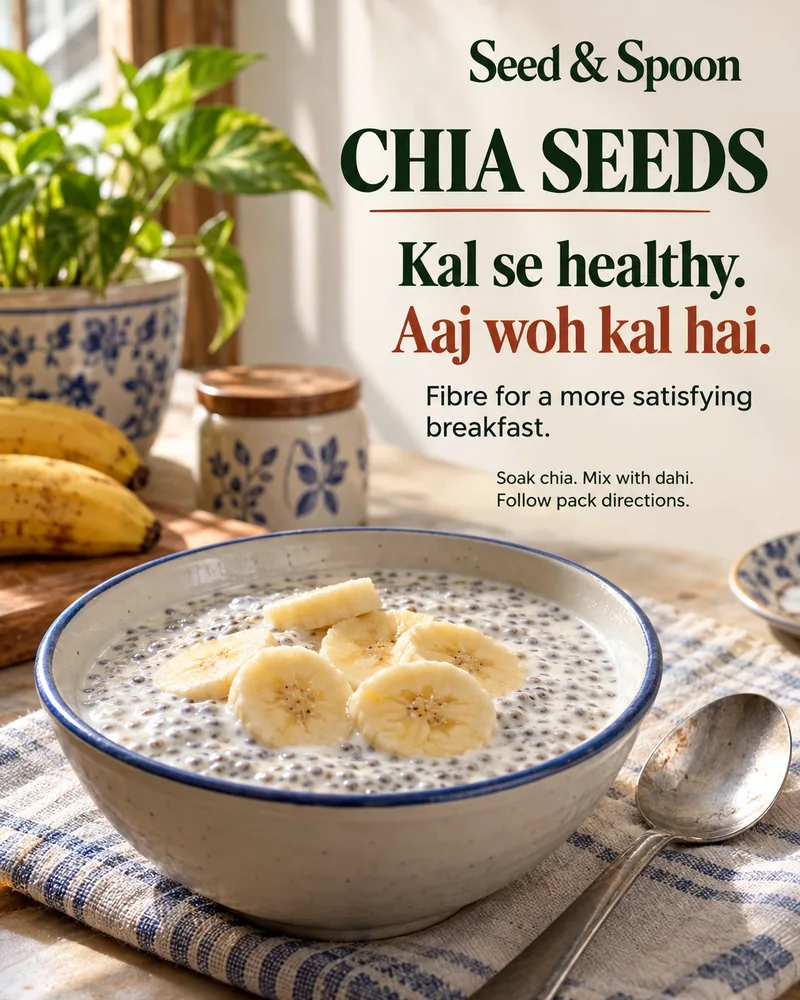
Chia seeds come from Salvia hispanica, a plant from the mint family that is native to Mexico and Central America. The seeds are small, oval and speckled grey, black and white. When they meet water, milk or dahi, each seed forms a soft gel, which is why chia is soaked before eating.
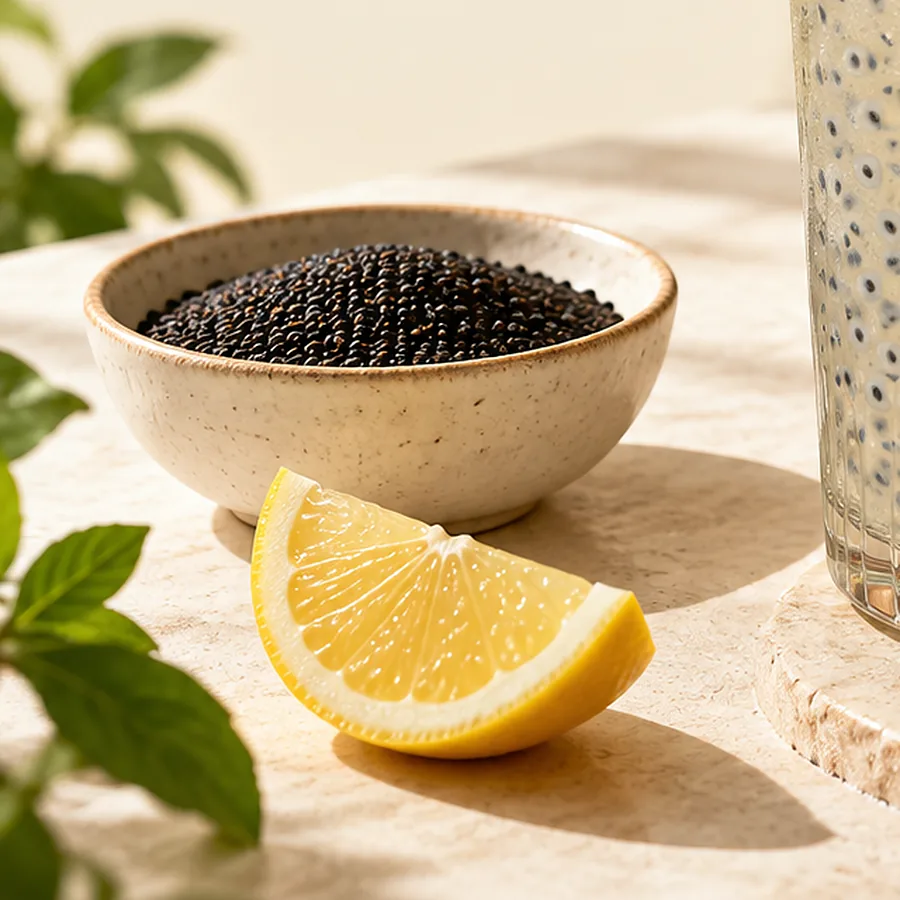
Urdu mein bhi inhein aam tor par "chia seeds" (چیا سیڈز) hi kaha jata hai. Shops sometimes mix chia up with tukh malanga (basil seeds), which looks similar in a jar but is a different seed. Our guide to chia vs tukh malanga shows how to tell them apart.
What is in chia seeds (per 28 g / 1 oz)
USDA FoodData Central lists chia per ounce (28 g) rather than per spoon. A level tablespoon usually holds around 10–12 g, so 28 g is roughly two and a half tablespoons. According to USDA, 28 g of dried chia seeds contains about:
138 kcal; 9.8 g fibre; 4.7 g protein; 8.7 g fat, of which about 5.1 g is ALA, a plant omega-3; 179 mg calcium; 95 mg magnesium; 2.2 mg iron.
Yani chhote se seed mein fibre kaafi zyada hai: 28 g mein lagbhag 10 g fibre. Most of chia's fat is the polyunsaturated kind, and very little is saturated.
Fayda 1: fibre that may help you feel full
Fibre is the standout: 28 g of chia has nearly 10 g, and Cleveland Clinic notes that an ounce of chia makes a real contribution to your daily fibre. Many people eat far less fibre than they need, so a spoonful of chia at breakfast is an easy top-up.
Part of chia's fibre is soluble: it forms the gel you see when chia is soaked. That gel is one reason a chia breakfast can feel more filling. In a small trial, adults who ate yogurt with 7 g or 14 g of chia as a mid-morning snack reported less hunger and ate less at lunch than on a day with plain yogurt (Ayaz 2017). It was a short test in healthy adults, so it shows short-term fullness, not long-term weight change.
Fibre also supports regular bowel movements, as long as you drink enough water with it. Pani ke baghair zyada fibre ulta qabz, gas ya bloating kar sakta hai, as Cleveland Clinic also notes.
Fayda 2: plant omega-3 (ALA)
Chia is one of the richest plant sources of alpha-linolenic acid (ALA), an omega-3 fat the body cannot make on its own. The NIH Office of Dietary Supplements lists about 5 g of ALA in 1 ounce of chia, while the daily adequate intake for adults is 1.1 g for women and 1.6 g for men.
One honest caveat: ALA is not the same as the EPA and DHA found in fish. The body converts only a small amount of ALA into EPA and DHA, so chia is a good source of ALA itself, not a swap for fish or fish oil if your doctor has advised them.
Fayda 3: calcium, magnesium and a little protein
Per 28 g, chia has about 179 mg of calcium, 95 mg of magnesium and 4.7 g of protein (USDA). Soak it in doodh and the milk adds its own calcium and protein on top, which makes overnight chia a well-rounded nashta.
Chia ki protein poori meal ki jagah nahi le sakti, lekin nashte mein thoda izafa zaroor karti hai.
What chia does not do
You will see big claims online: chia for diabetes, chia for belly fat, chia for PCOS. The research does not support them. In a 12-week trial cited by Cleveland Clinic, overweight adults who ate 50 g of chia a day saw no differences in weight, cholesterol, blood pressure or inflammation compared with a placebo group. A 2024 review pooling 10 trials in people with overweight found no effect on BMI, with small changes in waist size and systolic blood pressure that need more research (Karimi 2024).
The fair summary: chia is a nutritious food that can make breakfast more filling. It does not cure or treat any disease. If you are curious about weight, read our honest guide on chia seeds and weight management.
Kaise khayen aur kitna? (How to eat chia, and how much)
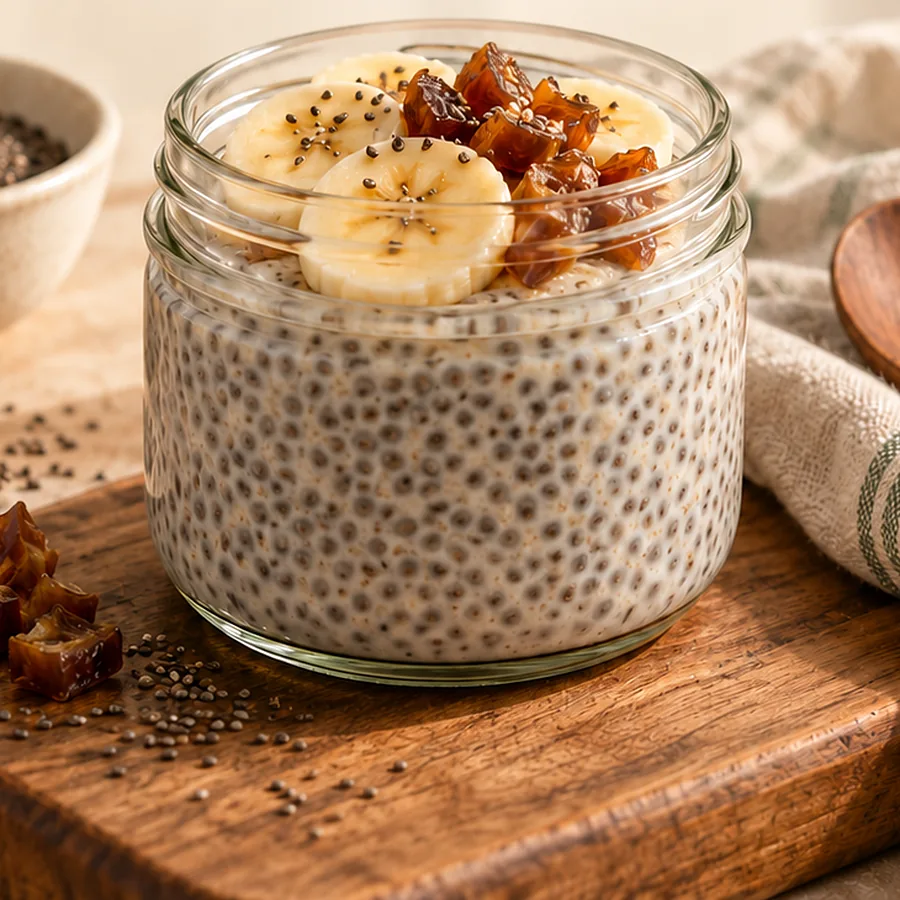
Soak it first. Stir 1–2 tablespoons into about half a cup (120 ml) of milk, water or thinned dahi, stir again after 5 minutes, and leave it for at least 15–20 minutes or overnight. Step-by-step ideas are in how to use chia seeds.
Start small. Cleveland Clinic suggests starting with 1 tablespoon a day if you are new to fibre-rich foods and working up to 2 tablespoons. Drink water through the day.
Take care with children and with swallowing problems. Dry chia swells as it absorbs liquid and can be a choking hazard, so always soak it before giving it to children. Never eat dry chia by the spoonful followed by water.
This is general information, not medical advice. If you have a health condition, are pregnant or breastfeeding, or take regular medicines, check with your doctor before making big changes to your diet.