What is seed cycling?
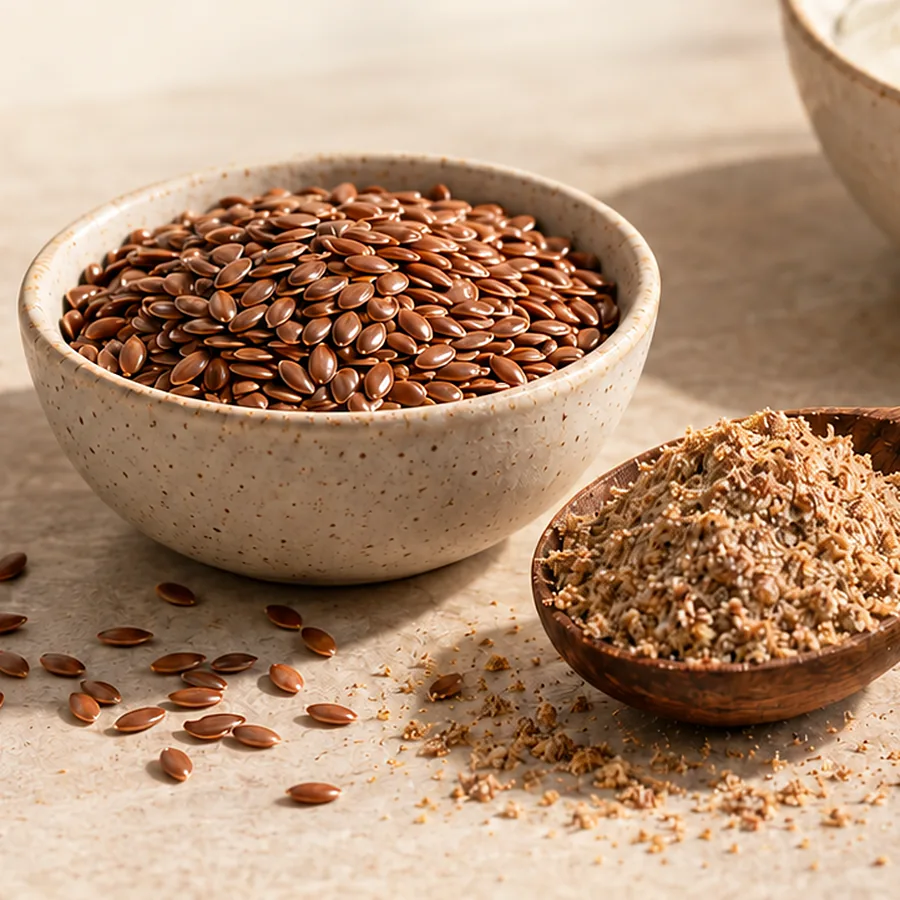
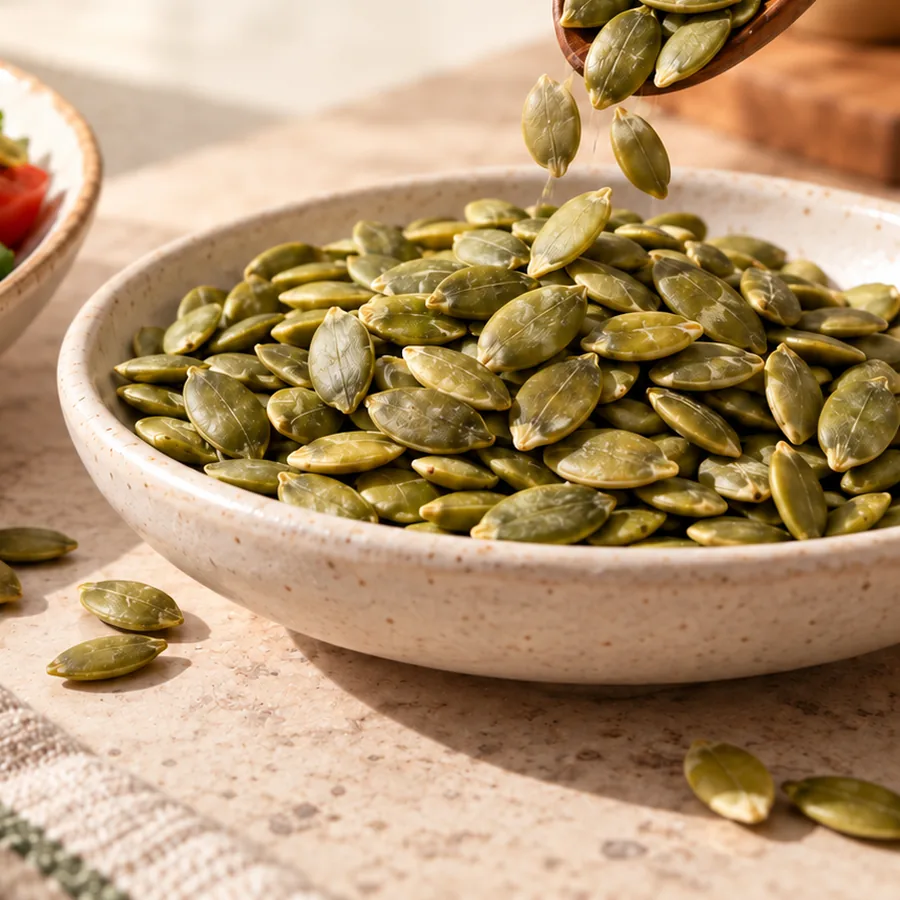
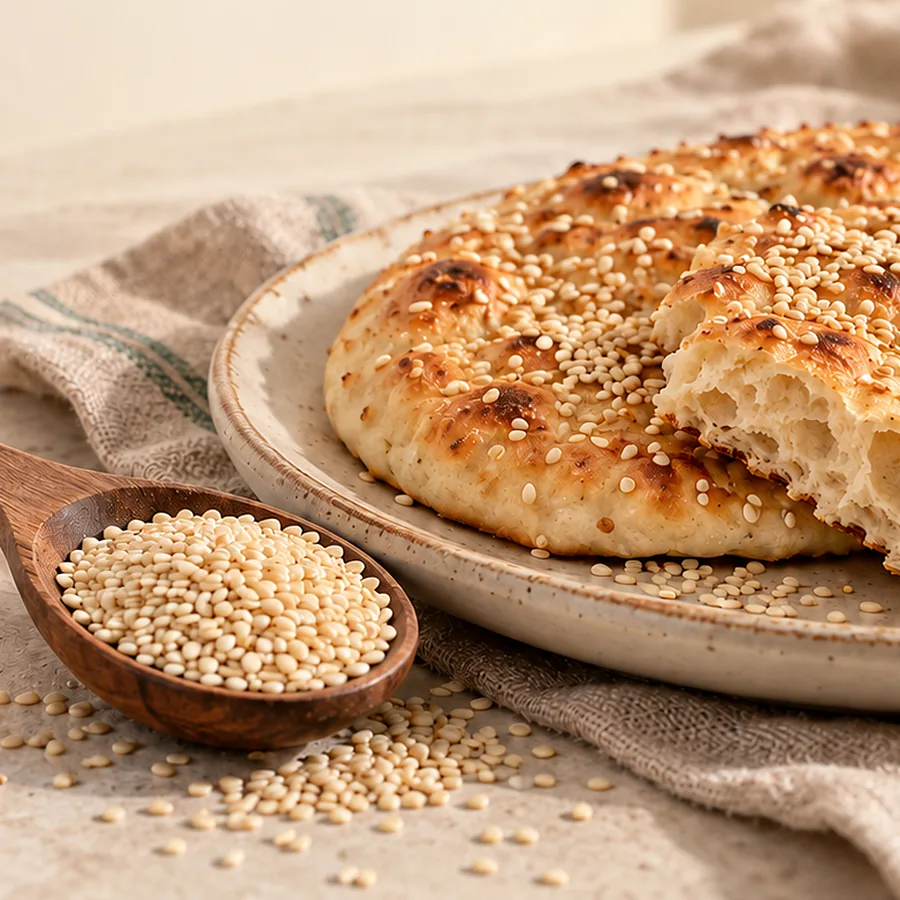
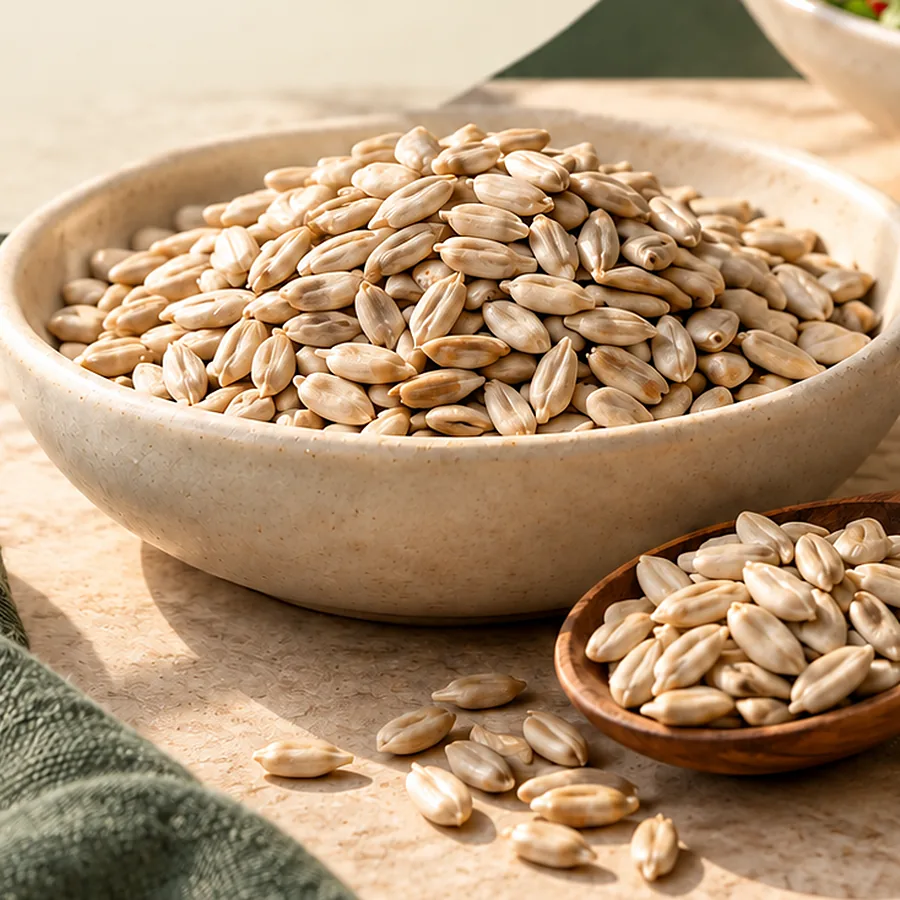
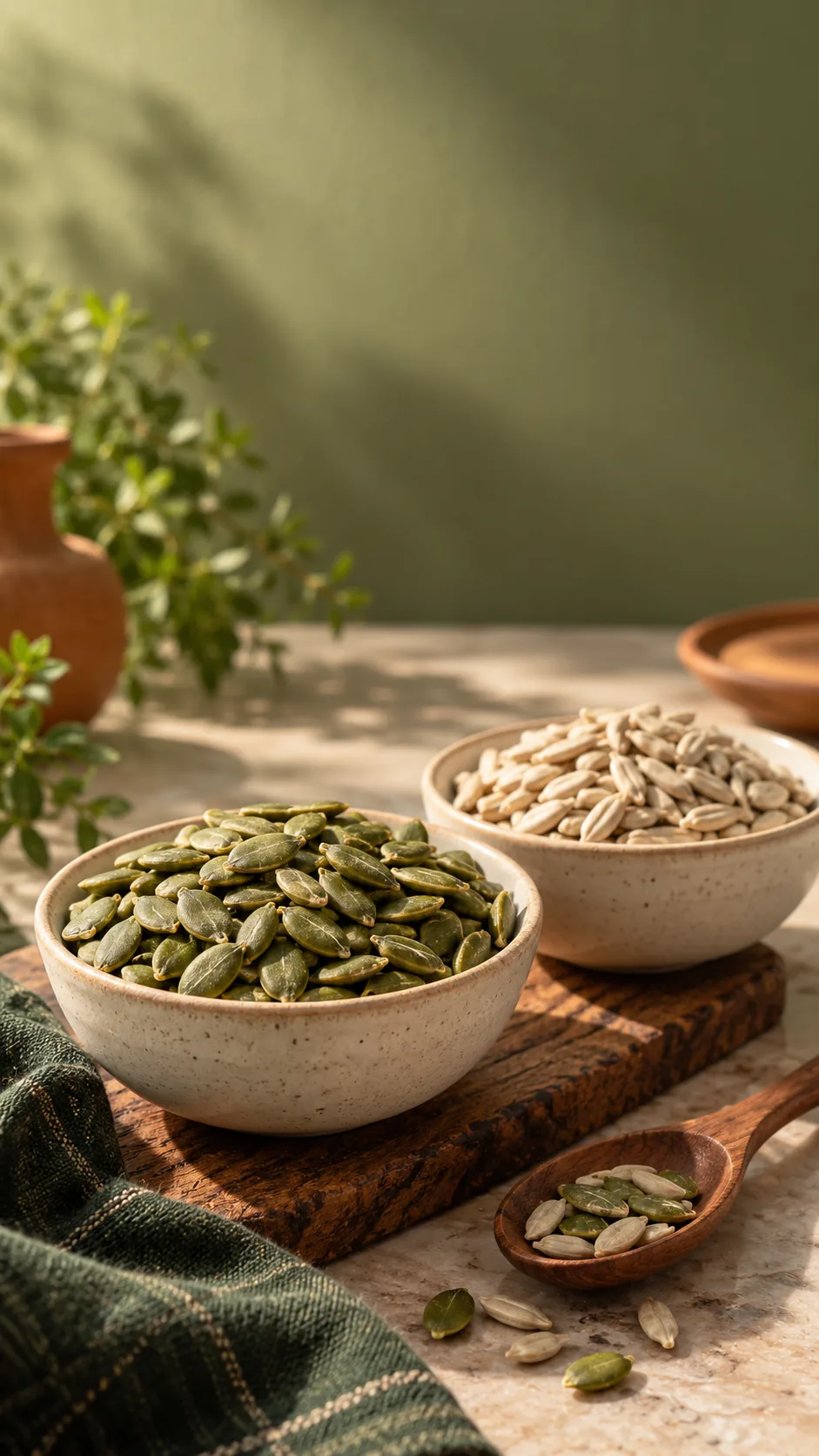
Seed cycling means eating particular seeds in each half of the menstrual cycle. The usual version: 1 tablespoon each of ground flax and pumpkin seeds a day from the first day of your period until ovulation (around day 14), then 1 tablespoon each of sesame and sunflower seeds until your next period.
The claim is that flax and pumpkin support oestrogen in the first half of the cycle, and that sesame and sunflower support progesterone in the second. It is popular on Instagram and TikTok, including among women in Pakistan looking for natural help with PCOS.
Sunne mein asaan lagta hai. Asal sawal yeh hai: kya is ka saboot hai?
PCOS in brief (now also called PMOS)
PCOS is a common hormonal condition. The NHS lists irregular periods or long gaps between periods, excess hair growth or hair loss, acne and oily skin, weight gain or difficulty losing weight, and difficulty getting pregnant among its symptoms.
The NHS now calls it polyendocrine metabolic ovarian syndrome (PMOS). You will still see PCOS used widely, including by many doctors in Pakistan.
There is no cure, but treatments and lifestyle changes can help with symptoms. The NHS advises a healthy, balanced diet, regular exercise and losing weight if you are overweight, alongside medical treatment chosen for your symptoms.
What the research says about seed cycling
Very little. A 2025 systematic review in Cureus that searched for studies of seed cycling in women with PMS or PCOS described the practice as under-researched. The studies it found were small, results were mixed, and at least one combined seed cycling with a portion-controlled diet, so it is hard to tell what the seeds themselves did. The authors called for larger, better-designed trials.
Just as important, no large, well-controlled trial has shown that eating particular seeds in particular weeks shifts oestrogen or progesterone. The timing, which is the core idea of seed cycling, is the least supported part.
What is known about the nutrients
Fibre: flax and other seeds add fibre, which helps you feel full and supports digestion. Eating more fibre through seeds, daal, vegetables, fruit and whole grains fits the NHS advice to eat a healthy, balanced diet.
Omega-3: a 2018 meta-analysis of 9 randomised trials with 591 women with PCOS found that omega-3 supplements were linked with improvements in insulin resistance and some blood fats (Yang 2018). Those trials tested omega-3 supplements in capsule form, which is not the same as a spoonful of seeds, and ALA from seeds converts only partly to EPA and DHA.
Flaxseed: in a 12-week trial, 41 women with PCOS who added 30 g of milled flaxseed a day to lifestyle advice showed bigger improvements in some metabolic markers, such as insulin and triglycerides, than women who received lifestyle advice alone (Haidari 2020). The trial was small and open-label (participants knew which group they were in), and 30 g is about 4 tablespoons of ground flax, more than the 1 tablespoon used in seed cycling.
Magnesium: pumpkin seeds are rich in magnesium (the NIH lists 156 mg in 1 oz of roasted seeds), and magnesium is involved in blood sugar control (NIH). We could not find good trials showing that pumpkin seeds themselves improve PCOS.
Is seed cycling harmful?
For most people, a tablespoon or two of seeds a day is a normal food amount. The real risks are indirect: delaying a proper diagnosis, stopping prescribed medicine because seeds feel more natural, or spending money on expensive seed-cycling kits.
Sesame is a common food allergen. A sudden jump in fibre can cause bloating, so build up slowly and drink water. If you are pregnant or trying to conceive, ask your doctor before eating large amounts of flaxseed.
If you want to try it anyway
Treat seed cycling as a way to eat more seeds, not as a treatment, and keep taking anything your doctor has prescribed. One tablespoon of each seed is plenty (see how much seeds per day), grind the flax as explained in flax seeds (alsi) benefits, and there is no need to switch on an exact day.
Keep a simple diary of your cycle and symptoms and share it with your doctor. That diary is genuinely useful, whatever you eat.
Our Four-Seed Box has flax, pumpkin and sunflower (plus chia); add sesame seeds if you want the full set. We sell these seeds, and we still will not tell you they treat PCOS.
When to see a doctor
See a gynaecologist or an endocrinologist if your periods are irregular or stop, if you notice excess hair growth, acne or hair thinning, if you have trouble getting pregnant, or if your weight changes without a clear reason. PCOS is usually diagnosed with a medical history, an examination, blood tests and sometimes an ultrasound, and treatment is tailored to your symptoms.
Kisi achhi gynaecologist (lady doctor) se mashwara zaroor karein, aur khud se ilaj na karein.
This is general information, not medical advice. If you have a health condition, are pregnant or breastfeeding, or take regular medicines, check with your doctor before making big changes to your diet.